Peeling paint and stained siding are often dismissed as being normal wear and tear, especially in older homes. Yet, these issues can sometimes indicate a much deeper problem with your home’s gutter system. Because gutters are responsible for directing rainwater away from the roof and exterior walls, any failure in the system can allow moisture to repeatedly access areas that are meant to stay dry. Over time, this can cause noticeable cosmetic damage that signals something more serious is happening behind the scenes.
How Gutters Protect Your Home’s Exterior
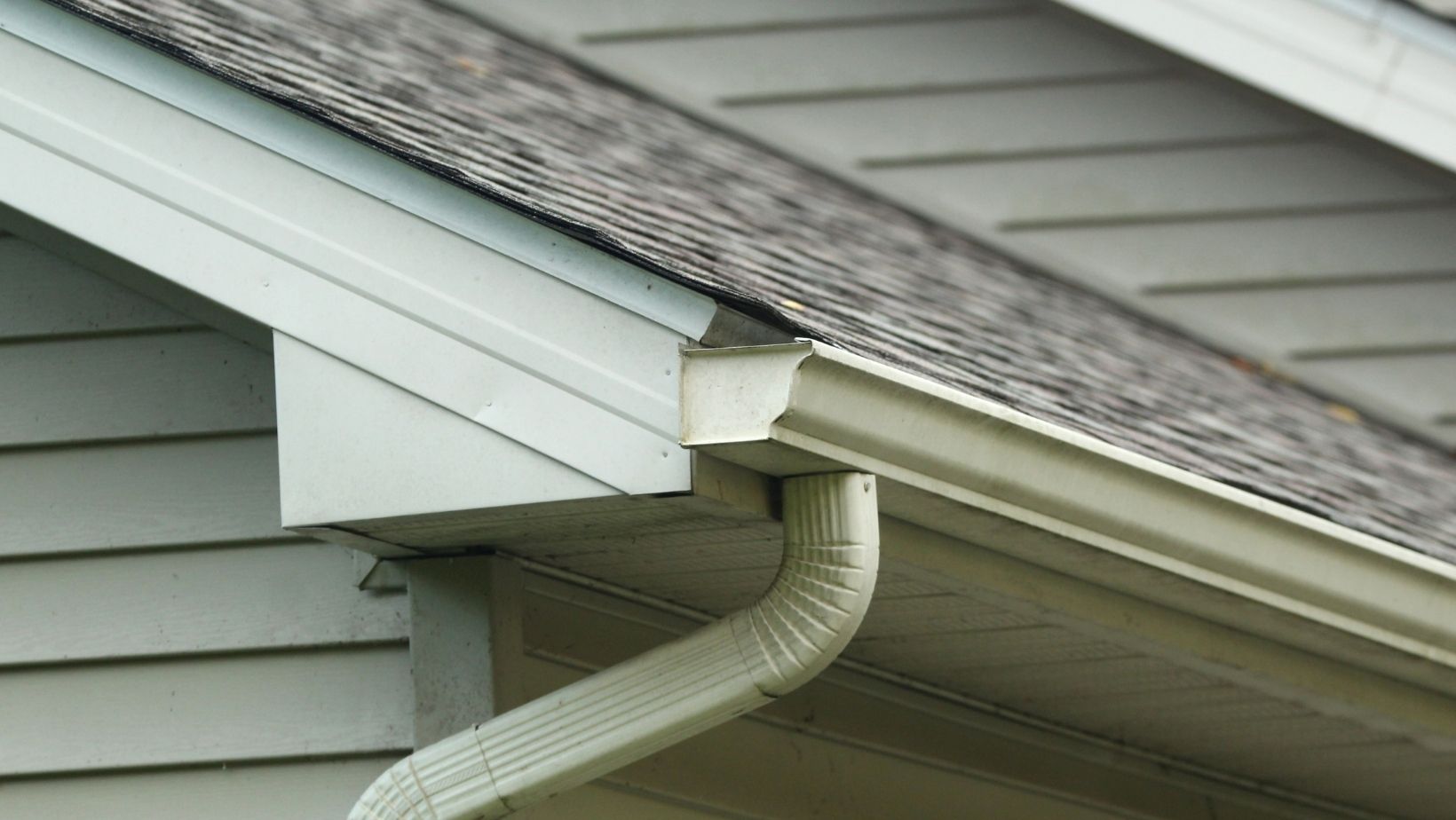
A properly functioning gutter system collects rainwater from the roof and channels it through downspouts to an area away from the home. When this process works according to design, exterior components like trim, siding, soffits, and fascia stay relatively dry, even during heavy rainfall.
However, when gutters become clogged, damaged, or misaligned, water often spills over the sides and flows down the exterior walls instead of moving through the drainage system. This frequent exposure to moisture can gradually affect the appearance and integrity of exterior surfaces.
Why Paint Begins to Peel
Peeling paint is an early warning sign that gutters may not be doing their job. Exterior paint is designed to safeguard surfaces from the elements, but constant moisture weakens that protective layer.
When water from overflowing gutters runs down painted trim or siding, it can seep beneath the paint and become trapped, causing paint to bubble, crack, and eventually peel away. This type of paint damage is usually most noticeable directly below the roofline or near corners where water tends to collect during storms.
Stained Siding Often Indicates Overflow
Stains or streaks on siding are another strong indicator that water is escaping from the gutter system. Overflow rainwater that repeatedly runs down exterior walls typically carries dirt, roof debris, and shingle granules with it. As the water dries, these materials remain behind, creating dark streaks or discoloration on the siding that may become more pronounced over time.
Stained siding can also occur as a result of mold growth from water dripping or becoming trapped, especially in areas that don’t receive much sunlight to dry them out. When addressed early, mold isn’t too hard to remove, but let it go too long and it may need professional treatment.
Hidden Moisture Can Lead to Bigger Problems
While peeling paint and stained siding may initially just seem like cosmetic issues, they can be indicative of more serious moisture problems. Continuous water exposure can eventually lead to wood rot, mold growth, or deterioration of your home’s exterior structure. Because siding often hides the extent of what’s happening beneath the surface, damage can continue spreading long after the first visible signs appear.
Addressing the Root Cause
If you spot peeling paint or unexplained staining on your siding, it’s worth taking the time to inspect your gutter system. Look for signs of clogs, sags, or water spillage during rainstorms.
Routine gutter cleaning and maintenance can help prevent overflow and keep water directed safely away from the home. By addressing any issues early, homeowners can protect both the appearance and structural integrity of their home.