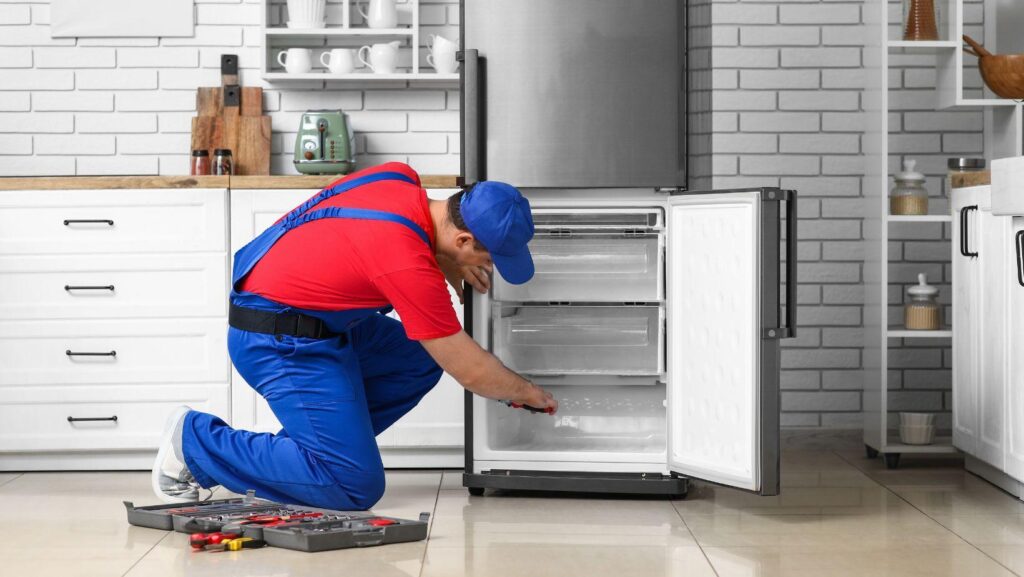
Few household problems are as disruptive as a major appliance suddenly stopping working. Whether it’s a refrigerator that won’t cool, an oven that won’t heat, or a washing machine that refuses to spin, appliance failures can quickly throw daily routines into chaos.
The average American household owns more than 10 major appliances and relies on them every day. According to industry estimates, refrigerators operate continuously throughout the year, while washing machines handle approximately 300 to 400 loads of laundry annually. Ovens and ranges are equally important, especially for families that prepare meals at home regularly.
When one of these appliances fails unexpectedly, knowing what steps to take can help prevent additional damage, reduce repair costs, and get your household back on track faster. This guide explains what homeowners in Atlanta should do when a refrigerator, oven, or washer stops working and how to determine whether repair or replacement is the best option.
Key Takeaways
- Most appliance failures begin with warning signs before complete breakdowns occur.
- Refrigerators should be addressed immediately to minimize food spoilage.
- Washer and oven issues may be caused by simple problems such as power interruptions or clogged components.
- Delaying repairs often leads to more extensive damage and higher costs.
- Modern appliances contain advanced electronics that require specialized diagnostics.
- Professional inspections can help identify issues quickly and accurately.
First Steps to Take When Any Appliance Stops Working
Before assuming an appliance has completely failed, perform a few basic checks.
Verify the Power Supply
Many appliance-service calls result from electrical issues rather than appliance failures.
Check the following-
- Circuit breakers
- Wall outlets
- Power cords
- GFCI outlets
- Recent power outages
Storms and electrical fluctuations are common causes of temporary appliance shutdowns.
Look for Error Codes
Many newer appliances from Samsung, LG, Whirlpool, GE, Bosch, and KitchenAid display diagnostic error codes.
These codes can provide valuable information regarding-
- Sensor failures
- Drainage problems
- Temperature issues
- Electrical faults
Consult the owner’s manual before attempting repairs.
Avoid Repeated Restart Attempts
Continuously restarting a malfunctioning appliance can sometimes worsen the problem, especially when motors, compressors, or electronic control boards are involved.
What to Do When Your Refrigerator Stops Working?
Check Internal Temperatures Immediately
Food safety becomes the primary concern when a refrigerator fails.
The FDA recommends keeping refrigerated food below 40°F (4°C). Once temperatures rise above that threshold for extended periods, food safety risks increase significantly.
Signs of refrigerator failure include-
- Warm interior temperatures
- Food spoiling prematurely
- Excessive frost buildup
- Unusual noises
- Water leaks
Keep Refrigerator Doors Closed
A refrigerator can often maintain safe temperatures for approximately four hours if unopened.
Freezers may preserve food for-
- About 24 hours when half full
- Up to 48 hours when fully stocked
Opening doors frequently accelerates temperature loss.
Inspect Common Problem Areas
Before calling for repairs, check-
- Thermostat settings
- Condenser coils
- Door seals
- Air vents
Dirty condenser coils are among the most common causes of cooling problems.
Common Refrigerator Problems
Popular models from Samsung Family Hub, LG InstaView, Whirlpool French Door, and GE Profile refrigerators frequently experience issues such as-
- Ice maker malfunctions
- Defrost system failures
- Compressor problems
- Temperature sensor errors
What to Do When Your Oven Stops Heating?
Determine Whether the Issue Is Electrical or Gas Related
For electric ovens-
- Verify power supply.
- Check the circuit breaker.
- Inspect the display panel.
For gas ovens-
- Confirm gas supply availability.
- Check burner ignition.
- Look for ignition delays.
Watch for Common Symptoms
Common oven problems include-
- Uneven cooking temperatures
- Failure to heat
- Burners not igniting
- Control panel malfunctions
- Self-cleaning cycle issues
Avoid DIY Repairs on Gas Components
Gas appliances contain components that require specialized handling.
Attempting repairs without proper experience may create safety risks involving-
- Gas leaks
- Fire hazards
- Carbon monoxide exposure
Popular Oven Brands Frequently Serviced
Atlanta homeowners commonly own-
- GE Profile ovens
- Samsung Smart Ranges
- LG InstaView Ranges
- KitchenAid Ovens
- Whirlpool Ranges
Many modern units contain advanced electronic controls that require professional diagnostics.
What to Do When Your Washer Stops Working?
Identify the Exact Failure
Not all washer problems involve complete breakdowns.
Determine whether the washer-
- Won’t start
- Won’t drain
- Won’t spin
- Leaks water
- Produces unusual noises
Each symptom points toward different potential causes.
Check Basic Components
Inspect-
- Power supply
- Water supply valves
- Drain hose
- Door latch
- Load balance
An overloaded washer can trigger safety systems that prevent operation.
Common Washer Problems
According to appliance repair professionals, some of the most common washer issues include-
- Faulty drain pumps
- Worn suspension rods
- Broken lid switches
- Drive belt wear
- Control board failures
Popular Washer Models and Issues
Samsung WF Series-
- Vibration problems
- Drainage issues
LG ThinQ Washers-
- Sensor errors
- Smart connectivity issues
Whirlpool Washers-
- Drive system failures
- Spin cycle concerns
Maytag Washers-
- Suspension wear
- Motor-related issues
Warning Signs You Should Never Ignore
Many appliance failures provide warning signs before a complete breakdown occurs.
Unusual Noises
Watch for-
- Grinding
- Clicking
- Buzzing
- Squealing
These sounds often indicate mechanical wear.
Water Leaks
Even small leaks can lead to-
- Flooring damage
- Mold growth
- Cabinet deterioration
Burning Smells
Electrical odors should always be taken seriously.
Potential causes include-
- Wiring issues
- Overheated motors
- Failing electrical components
Repeated Error Codes
Recurring system errors typically indicate underlying mechanical or electronic issues.
Repair or Replace- How to Decide?
Refrigerator Lifespan
Most refrigerators last-
- 10–15 years
Premium brands such as Sub-Zero may exceed 20 years.
Washer Lifespan
Typical lifespan-
- 10–13 years
Oven Lifespan
Most ovens last-
- 13–15 years
The 50 Percent Rule
Many experts recommend considering replacement if repair costs exceed approximately 50% of the cost of a comparable new appliance.
Factors to evaluate include-
- Age
- Energy efficiency
- Repair frequency
- Overall condition
Why Fast Professional Repairs Matter?
Many homeowners delay repairs hoping problems will resolve themselves.
Unfortunately, appliance issues usually worsen over time.
For example-
- A refrigerator struggling to cool may eventually damage the compressor.
- A washer with drainage issues may develop motor problems.
- An oven with faulty heating elements may place additional strain on electrical components.
Homeowners experiencing appliance failures often benefit from seeking fast and reliable Appliance Repair in Atlanta to diagnose problems early and prevent more extensive damage.
Professional technicians can often identify failing components before they create larger and more expensive repair needs.
How Preventive Maintenance Reduces Future Breakdowns?
Routine maintenance remains one of the most effective ways to extend appliance lifespan.
Refrigerator Maintenance
- Clean condenser coils every 6–12 months.
- Inspect door seals regularly.
- Replace water filters on schedule.
Oven Maintenance
- Clean burners and heating elements.
- Verify temperature accuracy.
- Inspect ignition systems.
Washer Maintenance
- Check hoses annually.
- Clean detergent dispensers.
- Avoid overloading.
Proper maintenance can improve efficiency while reducing unexpected repair costs.
Conclusion
A broken refrigerator, oven, or washer can quickly disrupt everyday life, but the right response can often prevent a stressful situation from becoming an expensive one.
Checking power supplies, identifying symptoms, and recognizing warning signs are important first steps. However, when problems persist, prompt professional diagnosis is usually the most effective solution.
By addressing appliance issues early and maintaining equipment regularly, Atlanta homeowners can improve appliance reliability, reduce repair costs, and maximize the lifespan of their household investments.
FAQs
How long can food stay safe if a refrigerator stops working?
A refrigerator typically keeps food safe for about four hours if the door remains closed. A full freezer may preserve food for up to 48 hours.
What is the most common reason a washing machine stops working?
Drain pump failures, lid switch problems, and control board issues are among the most common causes.
Is it safe to repair a gas oven yourself?
Gas appliance repairs should generally be handled by trained professionals due to safety concerns involving leaks and ignition systems.
How do I know if my appliance is worth repairing?
Consider its age, repair cost, energy efficiency, and repair history. Many homeowners use the 50% rule as a guideline.
How often should major appliances be professionally inspected?
Most experts recommend annual inspections for refrigerators, washers, and other heavily used appliances to identify developing issues before they lead to major failures.