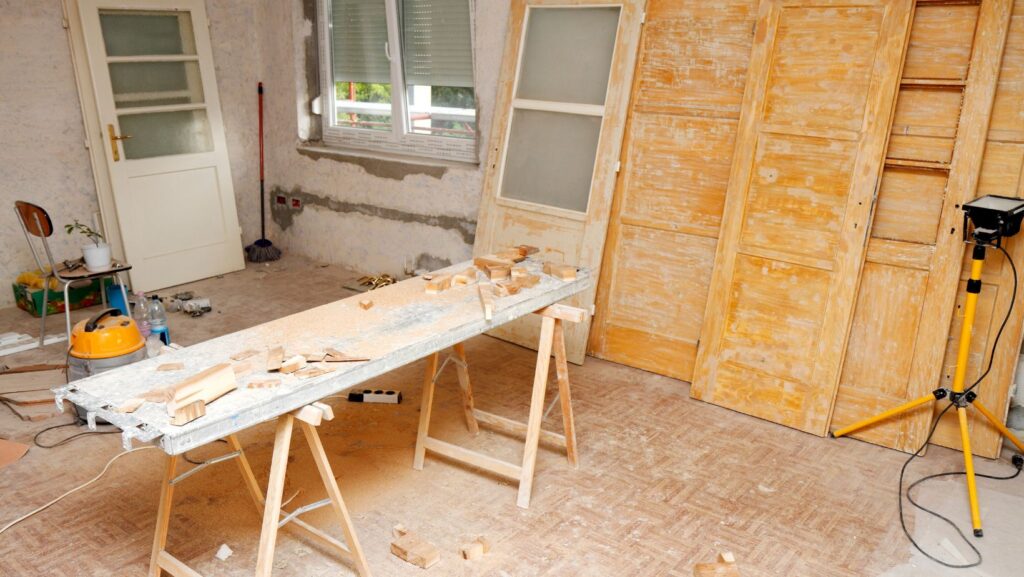
Renovating a century home in Toronto comes with a different set of rules than updating a newer property. What looks like a straightforward project can quickly shift once older materials are opened up. Behind walls, under flooring, and inside insulation, there may be materials that were standard at the time but are now regulated due to health risks.
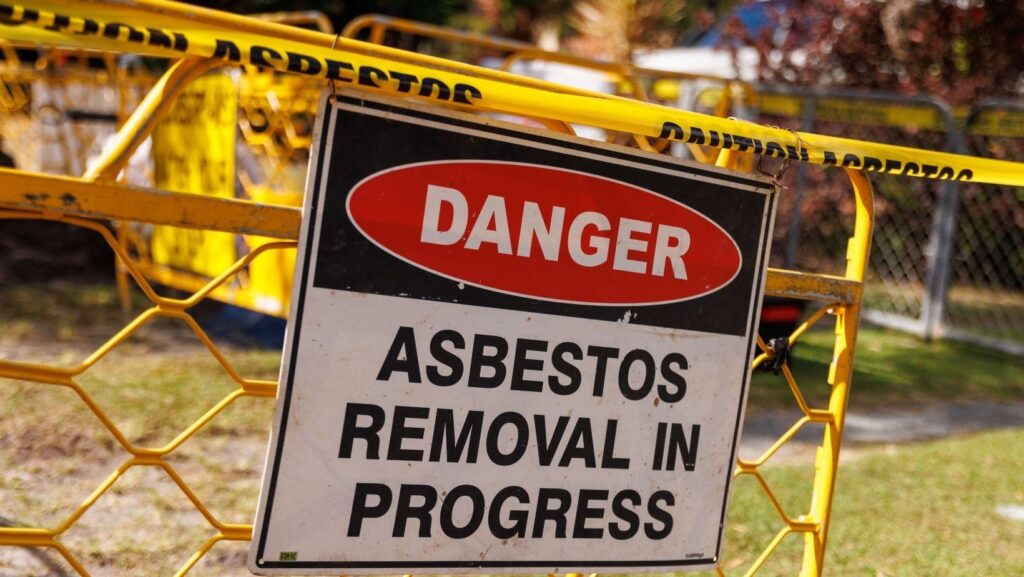
One of the most common and disruptive discoveries during renovations is asbestos. When it’s found mid-project, everything slows down. Work stops, timelines shift, and costs increase. This is why more homeowners and contractors are starting with a pre-renovation audit that includes planning for asbestos removal in Toronto before any demolition begins.
Why Century or 100 Year Old Homes Carry Higher Risk
Homes built before the late 1980s were often constructed using materials that contained asbestos. It was valued for its durability and resistance to heat, making it common in insulation, floor tiles, adhesives, ceiling textures, and pipe wraps.
In Toronto, where many neighbourhoods are made up of older housing stock, this risk is not theoretical. It is part of the reality of working on these homes. The issue is not just the presence of asbestos, but the fact that it becomes hazardous when disturbed.
Cutting into drywall, sanding flooring, or removing old insulation can release fibres into the air. Once that happens, the site needs to be contained and assessed, often requiring immediate intervention and specialized handling.
What a Pre-Renovation Asbestos Audit Actually Involves
A pre-renovation audit is not just a quick inspection. It is a targeted assessment of materials that are likely to be disturbed during your planned work. In Ontario, a designated substance survey is required and one of the substances to be checked for and reported is asbestos. This is required in Ontario, and failure to comply can result in fines and stop-work orders.
This process typically includes:
Identifying areas where older materials are present
-
Sampling and testing suspected materials
-
Mapping out where asbestos may exist within the project scope
-
Providing recommendations before work begins
The goal is not to assume every home has a major issue. It is to remove uncertainty before it becomes a problem.
When asbestos is identified early, homeowners can plan for asbestos removal in Toronto as part of the renovation timeline instead of reacting to it mid-project.
The Real Cost of Mid-Renovation Discoveries
One of the biggest misconceptions is that testing ahead of time adds unnecessary cost. In reality, the opposite is often true.
When asbestos is discovered after demolition has started, the site may need to be shut down immediately. This can lead to:
-
Delays while testing and containment are arranged
-
Additional labour costs from idle crews
-
Rework if materials have already been disturbed
-
Expanded scope if there is cross-contamination
These interruptions can extend timelines by weeks and significantly increase overall project costs.
By comparison, a pre-renovation audit is a controlled and predictable step. It allows you to build accurate timelines and budgets without unexpected disruptions.
Why Asbestos Often Goes Undetected
Asbestos is not always obvious. Many materials that contain it look no different from modern alternatives. A standard visual inspection is not enough to confirm whether a material is safe.
This is why testing is essential. Without it, decisions are based on assumptions, and those assumptions can lead to risk.
In older Toronto homes, it is common to find asbestos in areas that are not immediately visible, such as behind walls or under layers of flooring added during past renovations.
Planning Around Asbestos Instead of Reacting to It
When asbestos is identified early, it becomes part of the plan rather than a disruption. This changes how the entire project is managed.
Instead of stopping work, you can:
-
Schedule removal before demolition begins
-
Coordinate trades more efficiently
-
Maintain your project timeline
-
Reduce the risk of contamination spreading
This approach also provides clarity for everyone involved, from contractors to homeowners. It removes uncertainty and allows the renovation to move forward with confidence.
How Asbestos Affects Toronto Locally
Toronto’s housing landscape makes this issue more relevant than in many other cities. Older homes are not just common, they are often highly sought after for renovation and resale.
At the same time, seasonal factors like humidity and past water exposure can affect how materials age over time. This can make older materials more fragile and more likely to release fibres when disturbed.
These local conditions increase the importance of proper planning and reinforce the value of a pre-renovation audit.
Compliance and Safety in Your Approach to Renovating Century Homes
Renovations are already complex. Adding uncertainty around hazardous materials only makes them more difficult to manage.
A pre-renovation asbestos audit is not about expecting the worst. It is about understanding what you are working with before you begin.
For homeowners and contractors in Toronto, this approach leads to better planning, fewer surprises, and more controlled outcomes. It allows you to address asbestos removal in Toronto on your terms, rather than reacting to it under pressure.
Make Asbestos Removal in Toronto a Priority
Century homes offer character and long-term value, but they also require a more careful approach. Hidden materials can impact timelines, budgets, and safety if they are not identified early.
By taking the time to assess your property before starting work, you reduce the risk of delays and create a smoother renovation process.
In a city like Toronto, where older homes are a major part of the market, planning ahead is not just a precaution. It is a practical step that protects both your investment and your timeline.